
.jpeg?width=727&height=409&name=AdobeStock_267083342(2).jpeg)
Datacenters are increasingly running the modern economy. Behind every cloud workload, transaction, application, and dataset is the physical environment that powers and cools the equipment that makes them possible.
Today’s businesses rely on the cloud to deliver everything from HR software to financial statements. But as adoption rates increase, businesses and consumers will continue to hold data center operators to higher standards beyond just uptime, but security, accountability, and trust.
Firms spend countless hours discussing cybersecurity, firewalls, zero trust, network segmentation, and 24×7 monitoring. However, once someone has passed the perimeter defenses and entered a facility, many businesses drop their guard. .
Key control is just as much a part of a data center’s cybersecurity strategy as its digital defenses, and should be treated as such.
The Overlooked Reality: Most Breaches Start Inside
Data breaches are increasingly tied to compromised credentials and phishing campaigns.
Once a perpetrator has access to critical equipment, there’s nothing stopping them from opening cabinets, replacing servers, installing malware on physical hardware, accessing data stored on hard drives, and even disabling networked security controls that lack physical protections.
In 2009,Heartland Payment Systems suffered the largest data breach to date. The incident began with someone installing spyware directly onto Heartland’s computers. Effective cybersecurity requires airtight physical security, and keys are unique in that they can’t be hacked.
Why Key Control Matters in Modern Data Centers
Every datacenter environment - hyperscale, collocated, enterprise, or edge - has unique access requirements.
Many still use physical keys, but lack a key control solution that aligns with best cybersecurity practices. Multi-tenant data centers have multiple companies and different internal teams using shared space. Additionally, contractors and vendors need to come and go as needed to provide support and maintenance services.
Even if doors only grant access to rooms or cages, keys provide unfettered access to what’s inside. Physical keys to cages, server racks, power closets, network equipment closets, and even cabinet keys are often the last line of defense.
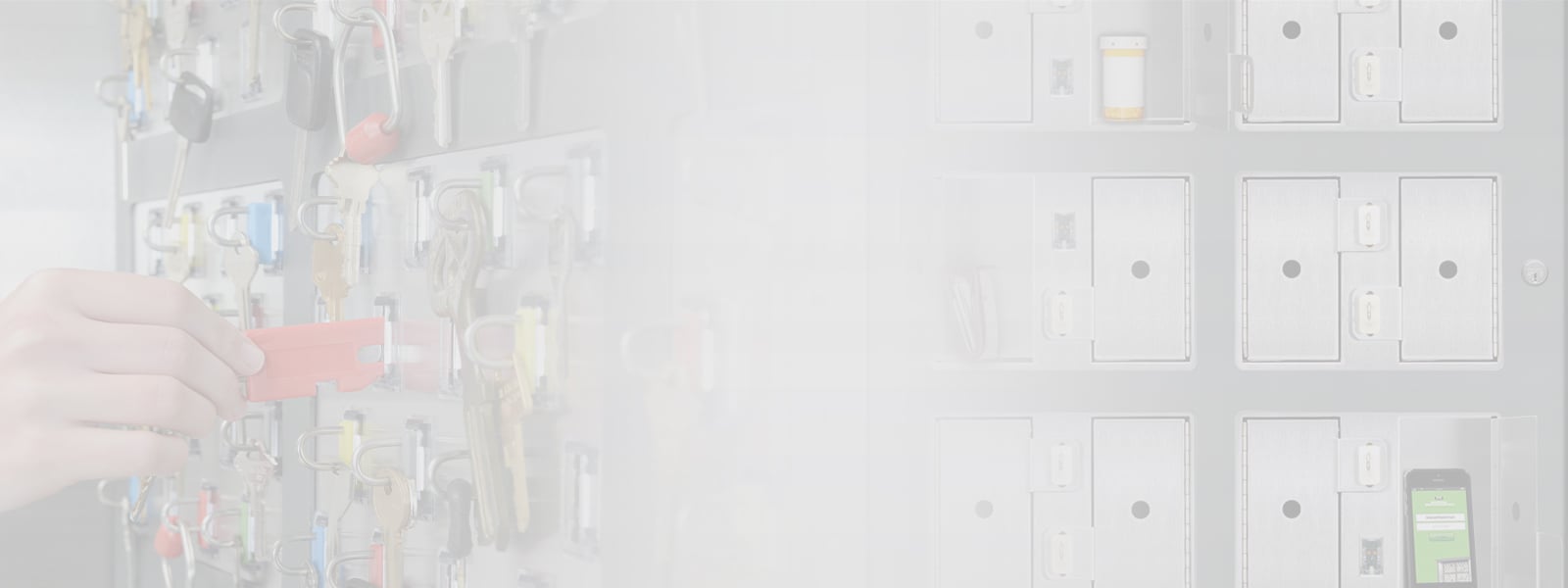
Key management systems ensure that only approved individuals can unlock a key drawer, giving them access to the keys they need (and only the keys they need). Additionally, key control systems create a comprehensive audit trail for every time someone accesses a key drawer, offering valuable insight into business operations and providing critical data for incident investigations.
Beyond Security: Key Control as Cyber-Physical Protection
Dual or triple sign-out authorization can offer even further protection for highly sensitive areas. Instead of having a single user sign keys out and potentially pass them off, this security measure requires multiple authorized individuals to be accountable for signing the keys out and back in.
Managing physical key access can help reduce risk if your cameras are tampered with or your security team goes offline, providing an additional layer of protection that isn't tied to your primary network.
Automated reporting can create defensible documentation that will prove invaluable if you're hit with an audit, insurance claim, or data breach. Plus, you can learn a lot about how your facility operates by looking at who’s accessing what.
Turning Access Data into Business Intelligence
What operations and security teams may not realize is that key control can provide answers to those questions while also helping you understand how your facility is used.
Analytics can illustrate which cages or racks are accessed most frequently. You can also determine which assets are in the highest demand. This may help you justify staffing changes, identify areas where you can overbuild in advance, and even verify client billing.
When running a collocated or edge operation, understanding how your clients use your facilities can create a massive advantage.
Learn more about how key control can be a business intelligence resource.
Heavy-duty gates, bollards, surveillance cameras, and access control are a must for every data center. However, once someone enters your property, there are seemingly endless potential entry points for attackers.
Access to server rooms and cages, individual racks, electrical and cooling cabinets, the security operations center, and video storage rooms should all be tightly controlled. Using a centralized key management platform will allow you to extend consistent access control policies to every area of your facility while integrating with your existing access control solutions and monitoring systems.
Administrators can receive alerts when an unapproved request to access a key drawer is made, when keys are overdue, or if someone tries to force a cabinet open. These alerts can help your security teams respond before a minor incident escalates into a catastrophic failure, major liability, or worse.
Key Control as a Strategic Security Layer
If you don't have proper safeguards in place, a breach could cost you penalties from regulators, expensive downtime, and damage your reputation with current and future customers.
Key control offers your business the chance to catch incidents before they occur by enforcing accountability, restricting unnecessary access, helping you stay compliant with security policies, and preventing physical intrusions that could lead to digital theft.
Physical and cybersecurity go hand in hand. Make sure you’re protecting both.
Strengthen Cyber-Physical Security in Your Data Center
If physical access to servers, cages, and critical infrastructure isn’t tightly controlled, even the strongest digital defenses can be undermined.
Download our free whitepaper, Understanding Key Control Systems and Best Practices, to learn how key control reduces cyber and insider threats, where physical access gaps most commonly occur, and how leading operators are using key access data to improve accountability and operations.